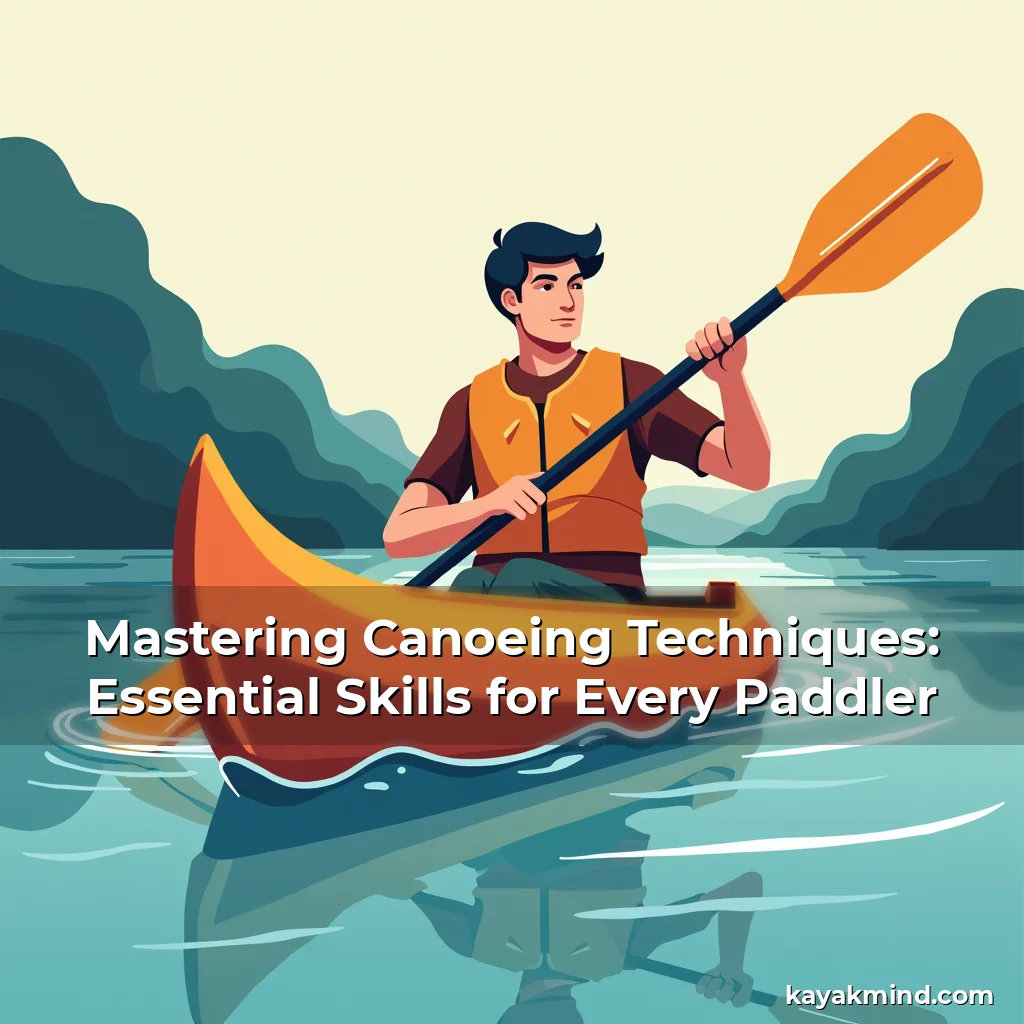
Mastering Canoeing Techniques: Essential Skills for Every Paddler
Canoeing is more than a leisurely activity—it’s a dynamic sport requiring precision, adaptability, and mastery of specialized techniques. Whether navigating calm lakes, rushing rivers, or open oceans, refining your skills can transform casual trips into thrilling adventures while enhancing safety and efficiency.
From foundational strokes to advanced maneuvering, this guide dives deep into the nuances of canoeing techniques tailored for both beginners and seasoned paddlers. Learn how to harness every movement, read the water, and respond to challenges with confidence.
The Fundamentals of Effective Strokes
Mastery begins with mastering basic strokes, which form the backbone of any successful canoe journey. The forward stroke provides propulsion, the draw stroke aids in lateral movement, and the sweep stroke enables sweeping turns—all crucial for controlled navigation.
Each stroke demands precise timing and coordination between arms, torso, and legs. Overextending your reach or using excessive force can lead to fatigue and instability. Focus instead on fluid motions that engage your entire body efficiently.
- Forward Stroke: Extend your arm fully at the catch, then pull the paddle straight back toward your hip to maximize thrust.
- Sweep Stroke: Place the blade near the bow and sweep it across the water in a wide arc to pivot the canoe smoothly around its axis.
Balancing Your Body for Stability
A stable canoe relies heavily on the paddler’s posture. Sit upright with your feet flat against the footrests, keeping your knees slightly bent for agility. Avoid leaning too far forward or backward, as this disrupts equilibrium and increases drag.
Your center of gravity plays a pivotal role in maintaining stability. Shift your weight subtly based on water conditions—if waves rise beneath you, lean slightly back; if the hull rocks sideways, adjust your stance to counterbalance.
Core Engagement for Long Trips
Strengthening your core muscles enhances your ability to maintain balance over extended periods. Engage your abdominal muscles by tightening your stomach gently while paddling, reducing strain on your lower back and improving overall control.
Incorporate exercises like planks and Russian twists into your routine to build core resilience. This preparation will allow you to endure long hours of paddling without compromising your form or comfort.
Navigating Currents and Rapids
Rivers demand heightened attention to current dynamics. Observe the flow patterns, identify eddies, and plan your route accordingly. Stay low in the boat to minimize exposure to turbulent forces and reduce risk during sudden surges.
When encountering rapids, employ a combination of powerful strokes and strategic positioning. Position yourself so that the strongest part of the current pushes you downstream, conserving energy while allowing the river to assist rather than resist your progress.
Eddy Turns for Safe Transitions
An eddy turn involves spinning the canoe within a calmer zone created by opposing currents. Begin by facing upstream, then execute a rapid sweep stroke to initiate rotation. Timing is crucial—wait until the downstream edge of the eddy aligns perfectly before committing to the turn.
This technique allows you to reposition safely without battling the full force of the current. Practice it repeatedly in shallow areas to develop muscle memory and refine your execution under pressure.
Crafting Efficient Paddling Rhythm
Paddling rhythm significantly impacts stamina and effectiveness. Vary your cadence depending on terrain—use faster, shorter strokes in swift waters and slower, longer ones in stillness to conserve energy.
Synchronize your breathing with your strokes for optimal performance. Inhale deeply as you complete a stroke, then exhale forcefully as you prepare for the next. This synchronization reduces oxygen consumption and improves endurance.
Selecting the Right Equipment
The choice of canoe and paddle profoundly influences your experience. Opt for lightweight composite materials for enhanced portability, yet ensure sufficient rigidity to withstand rough conditions. Consider factors such as width, length, and cockpit design based on intended usage.
Your paddle should match your height and strength level. Shorter individuals benefit from narrower blades, whereas taller paddlers may find wider blades advantageous for generating more power with fewer strokes.
Adjustable vs Fixed Shafts
Fixed-shaft paddles offer consistency once set up correctly, making them ideal for solo paddling and racing scenarios. Adjustable models provide flexibility for shared use among varying heights and preferences, though they require occasional recalibration for optimal feel.
Weigh durability against weight when choosing materials. Aluminum offers affordability and robustness, while carbon-fiber options prioritize lightness and responsiveness, appealing particularly to competitive athletes seeking marginal gains.
Essential Safety Techniques
Even experienced paddlers must never overlook safety protocols. Always wear a personal flotation device (PFD) and carry essential survival tools including whistles, flares, and a waterproof first aid kit. Familiarize yourself thoroughly with emergency procedures before embarking on any trip.
Practice capsizing drills regularly to become proficient in self-rescue techniques. Knowing how to exit quickly from inverted positions can mean life or death during unexpected flips in fast-moving waters.
Capsize Drills and Recovery Methods
To perform an effective t-roll, roll onto your side while holding onto the gunwales, leveraging your head and shoulder against the outer rail. Maintain steady eye contact with the surface above to orient yourself properly during inversion.
For more complex situations involving submerged objects or entanglement, master the Eskimo roll—a highly technical method requiring significant upper-body strength and precise timing developed primarily through dedicated training sessions.
Reading Water Features Effectively
Interpreting subtle cues in the water helps anticipate hazards ahead. Pay close attention to ripple formations indicating hidden obstacles underneath, wave reflections revealing underwater structures, and color variations suggesting depth changes or sediment shifts.
Observe wildlife behavior too; birds often gather near fish-rich zones or feed along shorelines where prey congregates. These observations indirectly inform about potential fishing spots or safer travel corridors away from predatory species’ hunting grounds.
Improving Environmental Awareness
Weather forecast monitoring becomes increasingly vital as trip duration extends beyond single-day excursions. Recognize early signs of deteriorating conditions such as sudden temperature drops, wind direction shifts, or unusual cloud formations preceding storms.
Respect local regulations regarding protected ecosystems and seasonal restrictions imposed due to breeding cycles or habitat preservation efforts. Minimize ecological disturbance by adhering strictly to permitted access points and leaving no trace behind after departure.
Advancing Beyond Basic Maneuvers
Once comfortable with fundamentals, explore advanced techniques like ferry gliding—an angled approach enabling parallel course correction relative to flowing water bodies. Master this skill gradually by practicing small-angle corrections followed progressively by larger deviations.
Leverage stern draws effectively to fine-tune position adjustments midstream without altering momentum excessively. Utilize minimal effort movements focused mainly on blade placement rather than brute force application whenever possible.
Conclusion
Refining your knowledge base through targeted practice empowers greater autonomy regardless of environmental complexity faced outdoors. Consistent repetition builds reflexes necessary for quick decision-making amidst unpredictable circumstances encountered frequently during expeditions.
Embark upon systematic improvement plans incorporating varied scenarios—from tranquil lake cruises to adrenaline-packed white-water chases—to ensure well-rounded proficiency applicable universally across diverse aquatic settings available globally today.

news is a contributor at KayakMind. We are committed to providing well-researched, accurate, and valuable content to our readers.