The Thrill Beneath the Waves: Exploring the World of Water Sports
In an age where adventure is often measured by digital footprints rather than physical feats, water sports stand as a testament to humanity’s enduring fascination with the sea, rivers, lakes, and even man-made reservoirs. From the adrenaline-fueled rush of wakeboarding to the serene tranquility of paddle boarding, these activities offer something for every enthusiast, regardless of skill level or fitness.
Water sports are not merely recreational pastimes; they represent a dynamic intersection between human ingenuity and nature’s raw power. Whether you’re gliding across calm waters on a SUP board or battling the currents while white-water rafting, each activity presents its own unique challenges and rewards that continue to draw millions worldwide.
Diving Into the Diversity of Water Sports
The world of water sports is vast and varied, encompassing both high-octane adventures and leisurely pursuits. Activities range from parasailing above the waves to snorkeling beneath them, offering experiences that cater to different temperaments and preferences.
This diversity ensures there’s always room for exploration within the aquatic realm. Some seek the thrill of speed through jet skiing, while others find peace in kayaking along quiet riverbanks. The key lies in discovering which form resonates most deeply with your personal sense of adventure.
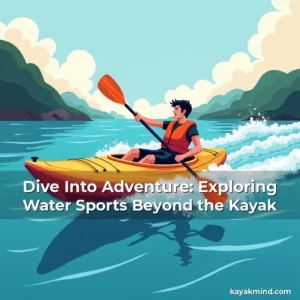
- Kayaking: A versatile sport suitable for solo excursions or group trips, involving maneuvering a small boat using a double-bladed paddle.
- Paddle Boarding: Combining balance and core strength, this involves standing on a large board propelled by a paddle.
- Wakeboarding: Similar to waterskiing but performed behind a motorboat, requiring specialized bindings and tricks.
- Snorkeling: An underwater activity allowing observation of marine life without scuba gear, typically conducted in shallow coastal areas.
- White-Water Rafting: Navigating turbulent rapids in inflatable rafts equipped with paddles for steering and control.
The Evolution of Water Sports Equipment
Advancements in materials science have revolutionized equipment used in various water sports over recent decades. What was once made primarily from wood and canvas now incorporates advanced composites like carbon fiber and Kevlar for enhanced durability and performance.
These technological innovations extend beyond mere aesthetics—they significantly impact safety, efficiency, and accessibility. For example, modern wetsuits utilize neoprene blends that provide better thermal insulation against cold water temperatures, expanding seasonal opportunities for participation.
Materials That Changed the Game
Carbon fiber has become particularly influential in competitive settings due to its lightweight yet robust properties. Kayaks crafted from such materials allow athletes to achieve greater speeds while maintaining structural integrity during intense maneuvers.
Similarly, advancements in buoyancy technology have transformed life vests into highly customizable pieces of protective gear. Modern designs incorporate adjustable straps and ergonomic shapes tailored specifically for different body types and activity requirements.
Safety First: Essential Considerations Before Taking to the Waters
No matter how thrilling water sports may be, prioritizing safety remains paramount. Understanding local regulations regarding permitted activities can prevent costly fines or dangerous situations arising from ignorance of rules.
Weather conditions play a crucial role too—sudden changes in wind patterns or unexpected storms could turn any outing into a perilous situation. Always check forecasts before setting out and avoid venturing into open waters when adverse weather is predicted.
- Lifeguard Availability: Opt for locations known for having trained lifeguards present, especially if participating in less predictable activities like swimming or diving.
- Emergency Preparedness: Carry essential safety equipment including flares, first aid kits, and communication devices capable of transmitting distress signals.
- Proper Training: Enroll in certified courses covering basic rescue techniques and emergency response procedures relevant to your chosen sport.
- Clothing Choices: Wear appropriate attire designed for water environments—quick-drying fabrics help maintain body temperature regulation during prolonged exposure.
Health Benefits Beyond the Surface
Beyond entertainment value, many water sports contribute positively to overall health and wellbeing. Engaging regularly in physically demanding activities helps build cardiovascular endurance, muscle tone, and flexibility simultaneously.
Mental benefits also abound—being immersed in natural surroundings promotes relaxation while focusing on precise movements enhances concentration abilities. This dual benefit makes water sports ideal for individuals seeking holistic wellness approaches.
The Mind-Body Connection in Aquatic Pursuits
Studies indicate that time spent near bodies of water correlates strongly with reduced stress levels among participants. The rhythmic motion involved in rowing or paddling acts similarly to meditation, inducing states of mental clarity and emotional equilibrium.
Moreover, the social aspect inherent in team-based sports fosters camaraderie and mutual support networks beneficial for long-term psychological resilience. These factors collectively position water sports as powerful tools for promoting both physical vitality and mental acuity.
Eco-Conscious Participation: Preserving Our Oceans While We Play
As awareness grows concerning environmental issues affecting our planet’s ecosystems, responsible engagement becomes increasingly vital within the context of water sports. Adopting eco-friendly practices ensures future generations can enjoy these same recreational spaces unspoiled by pollution or habitat destruction.
Simple measures like avoiding single-use plastics whenever possible reduce waste accumulation in sensitive marine habitats. Additionally, following designated routes prevents damage to delicate coral reefs and seagrass beds that serve critical ecological functions.
- Environmental Education: Participate in clean-up initiatives organized around popular water sport destinations to actively contribute towards preservation efforts.
- Responsible Tourism: Choose tour operators committed to sustainable tourism principles who implement environmentally conscious operational strategies.
- Chemical Awareness: Refrain from using harmful substances such as sunscreens containing oxybenzone which negatively affect reef systems when washed off swimmers’ skin.
- Wildlife Respect: Maintain safe distances from aquatic creatures and never attempt direct interaction unless guided by professional wildlife experts trained in ethical handling protocols.
Finding Your Perfect Match Amongst the Options Available
Selecting the right type of water sport depends largely upon individual interests, physical capabilities, and available resources. Beginners might start with low-risk options like sailing or kayaking before progressing toward more technically challenging disciplines later on.
Geographical location plays another significant factor since certain sports require access to particular environments—for instance, surfing necessitates consistent wave action found predominantly at oceanic beaches whereas whitewater rafting thrives best amidst mountainous terrain featuring fast-flowing rivers.
Tailoring Experiences Based On Personal Preferences
If solitude appeals more than competition, then solo activities such as stand-up paddleboarding or fishing become excellent choices. Conversely, those craving excitement might prefer high-speed pursuits like jet skiing or windsurfing where adrenaline highs are guaranteed.
Financial considerations shouldn’t be overlooked either; some sports demand considerable investment upfront for quality equipment rentals or purchases. However, many communities offer affordable introductory programs aimed specifically at newcomers looking to explore without committing fully financially yet.
Community & Culture Surrounding Water Sports
A vibrant global community surrounds each category of water sport, fostering connections amongst enthusiasts who share common passions despite geographical differences. Social media platforms facilitate easy sharing of experiences, tips, and event announcements reaching audiences far wider than ever before imagined.
Local clubs frequently organize meetups, training sessions, and competitions creating opportunities for skill development alongside making lasting friendships built around shared interests. These interactions enrich the experience considerably beyond mere recreation alone.
Global Competitions And Their Impact
International events such as the Olympic Games feature several recognized water sports categories attracting top-tier talent from diverse backgrounds. Watching professionals push boundaries inspires amateurs alike to pursue their own goals relentlessly.
Participation in regional championships provides additional avenues for growth, enabling players to gauge progress relative to peers while gaining recognition within niche circles dedicated exclusively towards mastering specific skills associated with various disciplines.
Future Trends In The Evolving Landscape Of Water Sports
Technological innovation continues reshaping how we engage with water sports, opening new possibilities previously unimaginable. Virtual reality simulations already exist allowing users practice techniques safely indoors prior attempting actual outdoor scenarios.
Meanwhile, hybrid forms combining elements from multiple traditional sports emerge periodically—examples include kiteboarding which merges aspects of surfing and paragliding together under controlled flight conditions powered entirely by wind energy harnessed via specially designed kites.
Emerging Technologies Shaping Tomorrow’s Adventures
Wearable tech integrated directly into apparel promises real-time feedback regarding heart rate, stroke efficiency, and fatigue indicators helping optimize performance metrics continuously during workouts without interrupting flow of movement itself.
Artificial intelligence applications assist coaches analyze footage captured during training sessions identifying subtle improvements worth pursuing further while pinpointing areas needing refinement accurately through pattern recognition algorithms operating silently behind scenes.
Conclusion
From tranquil lake cruises aboard handcrafted canoes to heart-pounding descents down roaring rapids inside sturdy rubber tubes, water sports encapsulate an incredible spectrum of human potential interacting harmoniously with Earth’s aquatic wonders.
Whether driven purely by passion or motivated toward achieving mastery status within selected domains, embracing these pursuits offers unparalleled opportunities for personal growth wrapped within layers of fun-filled memories waiting eagerly to be created.

news is a contributor at KayakMind. We are committed to providing well-researched, accurate, and valuable content to our readers.