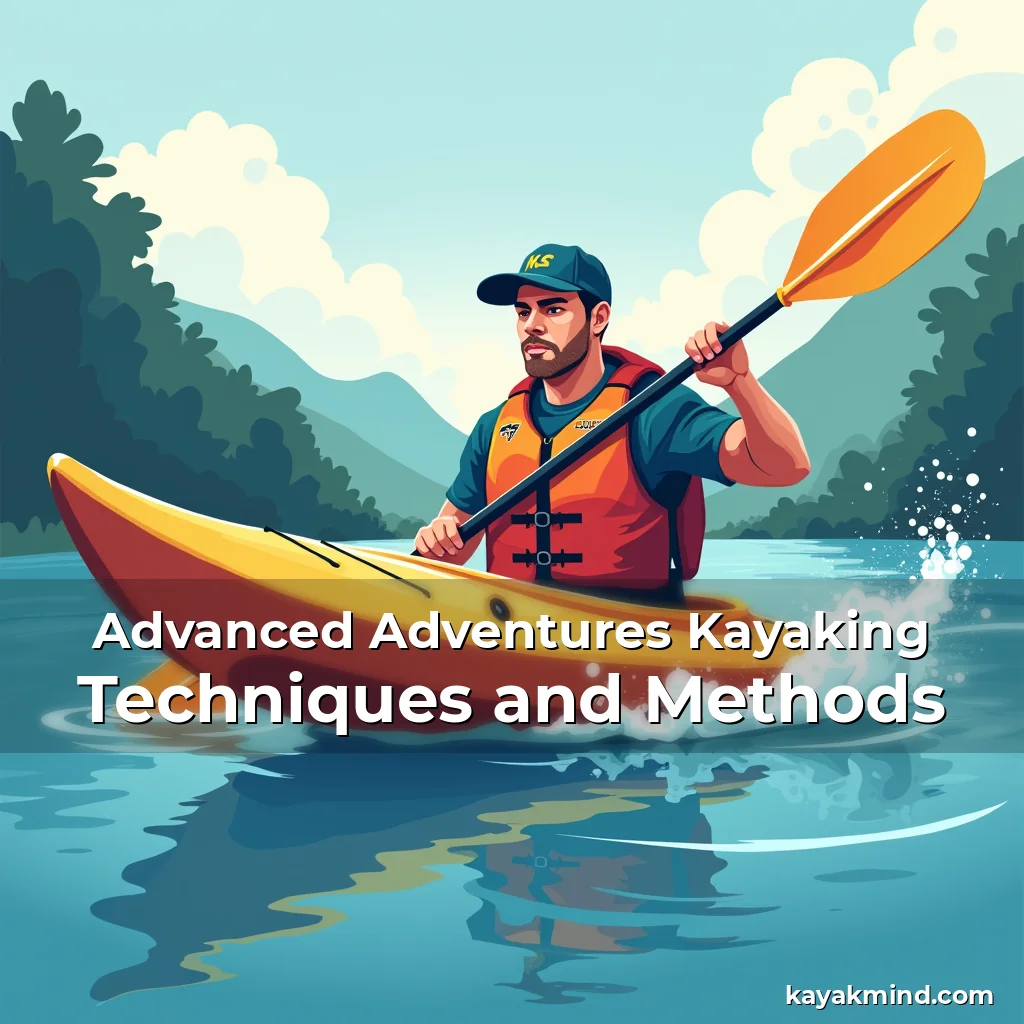
The Thrill of Exploration: Unveiling the World Through Kayaking Adventures
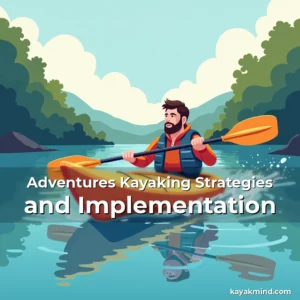
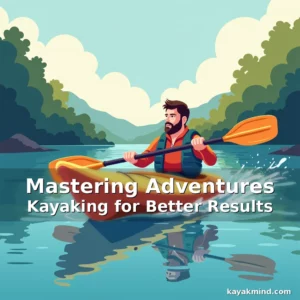
Kayaking is not merely a sport; it’s an adventure that allows you to explore some of the most breathtaking natural landscapes on Earth. Whether gliding through serene lakes, navigating winding rivers, or braving open ocean waves, each journey offers a unique experience filled with discovery and excitement.
This guide delves into the heart of kayaking adventures, providing essential tips, techniques, and stories from seasoned paddlers who have embarked on their own epic journeys across various terrains around the globe.
Understanding the Essence of Kayaking Adventures
Kayaking adventures encompass a wide range of experiences tailored to different skill levels and preferences. From tranquil lake excursions ideal for beginners to challenging river rapids suitable for experienced adventurers, there’s something for everyone in the world of kayaking.
The essence lies in connecting with nature while pushing personal limits. This connection fosters a deeper appreciation for our planet’s beauty and resilience, making every trip both physically rewarding and mentally enriching.
Choosing between sea kayaks designed for long-distance travel or whitewater models built for turbulent waters can significantly impact your overall experience. Understanding these distinctions helps ensure safety and enjoyment during any expedition.
Preparing for Your First Kayaking Adventure
Before setting out on your first kayaking adventure, thorough preparation is crucial. Researching local conditions such as weather patterns, water currents, and potential wildlife encounters ensures you’re well-equipped for whatever challenges arise.
Gathering appropriate gear—including a properly fitted life jacket, waterproof clothing, and navigation tools—can make all the difference in ensuring both comfort and security throughout your journey.
- Selecting the Right Paddle: A paddle suited to your height and strength level enhances control and efficiency during paddling sessions.
- Familiarizing Yourself With Safety Protocols: Knowing how to handle emergencies like capsizing or encountering strong currents saves lives and prevents panic situations.
Exploring Diverse Kayaking Environments
Kayaking environments vary greatly depending on geographical location and seasonality. Coastal regions offer opportunities to witness marine biodiversity up close, while mountainous areas provide thrilling descents down fast-moving streams.
Inland destinations feature calm lakes perfect for leisurely cruises where you can observe birdlife or simply enjoy solitude amidst scenic backdrops without worrying about unpredictable wave patterns.
Each environment presents its own set of considerations—from understanding tides when near coastlines to assessing ice thickness before winter expeditions—which requires careful planning ahead of time.
Tips for Navigating Different Water Conditions
Successfully navigating diverse water conditions demands adaptability and knowledge. For example, knowing how to read river features such as eddies and hydraulics enables safer passage through complex terrain.
Developing skills like roll recovery—a technique used by advanced paddlers to regain upright position after capsizing—is invaluable but should only be practiced under supervision until mastery has been achieved.
Essential Skills Every Kayaker Should Master
Mastery over fundamental kayaking skills forms the backbone of successful adventures. Techniques including efficient forward strokes, controlled turns, and precise braking enhance maneuverability regardless of whether you’re traversing gentle bays or tumultuous rapids.
Learning basic rescue methods equips you with confidence even when unexpected obstacles appear. These might include self-rescue procedures involving re-entry into the kayak post-capsize or assisting others safely back aboard.
- Paddling Efficiency: Practicing smooth stroke movements reduces fatigue and increases speed over longer distances.
- Environmental Awareness: Being mindful of surroundings helps avoid collisions with rocks, logs, or other vessels sharing the same space.
Connecting with Nature While On The Water
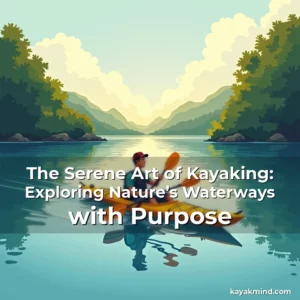
Kayaking provides unparalleled access to remote wilderness areas often inaccessible via traditional transportation means. This proximity facilitates intimate interactions with ecosystems ranging from lush rainforests along coastal shores to alpine meadows reflected perfectly upon still waters.
Observing wildlife becomes possible at eye-level rather than from afar—an immersive perspective that deepens respect towards conservation efforts aimed at preserving delicate habitats threatened by human activity.
Documenting encounters through photography or journal entries captures fleeting moments shared with creatures inhabiting aquatic realms, creating lasting memories beyond mere physical exertion involved in paddling itself.
Cultivating Community Among Adventurous Kayakers
Participation within active kayaking communities fosters growth through shared experiences and collective learning. Engaging regularly with fellow enthusiasts exposes individuals to new ideas regarding route choices, equipment upgrades, or training regimens beneficial for improving performance metrics.
Local clubs frequently organize group trips which serve dual purposes: enhancing social bonds among members while also offering structured outings guided by professionals familiar with regional specifics pertinent to safe exploration practices.
Virtually connected networks allow participation despite geographical constraints, enabling exchange of information related to current environmental changes affecting popular kayaking spots worldwide due factors like climate change impacts altering seasonal availability windows.
Overcoming Challenges Encountered During Expeditions
Expeditionary kayaking inevitably involves facing unforeseen difficulties requiring quick decision-making abilities. Weather shifts necessitate recalibrations plans mid-journey whereas mechanical failures demand improvisation solutions using available resources creatively.
Physical endurance plays equally vital role alongside mental preparedness since prolonged exposure conditions may test resolve especially during multi-day ventures covering vast territories demanding sustained energy output continuously.
- Weather Forecast Monitoring: Regular updates help anticipate sudden storms potentially disrupting planned routes thereby allowing timely adjustments preventing hazardous scenarios.
- Emergency Supplies Kit: Including items like signal flares, GPS devices, first aid kits assures readiness against worst-case contingencies ensuring survival chances maximized whenever isolated from immediate assistance sources.
The Role Of Technology In Modern Kayaking Practices
Advancements in technology have revolutionized modern kayaking practices enhancing navigational accuracy and communication capabilities during outdoor pursuits. Devices equipped with GPS tracking systems enable real-time monitoring locations aiding orientation particularly useful when exploring unfamiliar territories.
Digital platforms now facilitate virtual mapping overlays displaying underwater topographies revealing hidden dangers beneath surface appearances thus contributing significantly toward risk mitigation strategies prior initiating actual voyages.
- Satellite Communication Tools: Ensuring connectivity remains intact even far offshore supports emergency contacts establishing links critical during distress situations where conventional cellular signals become unreliable.
- Wearable Fitness Trackers: Providing physiological data assists managing exertion levels effectively balancing recreational fun aspects against health preservation priorities crucial maintaining longevity within adventurous sports domains.
Preserving Natural Habitats Through Responsible Kayaking
As stewards of nature, responsible kayakers play pivotal roles safeguarding fragile ecosystems encountered throughout exploratory endeavors. Adhering strictly to Leave No Trace principles minimizes disturbances inflicted upon native flora/fauna populations residing within visited zones.
Proper waste management protocols prevent pollution reaching sensitive coastal margins threatening marine life sustenance cycles reliant upon clean freshwater supplies originating upstream catchment basins feeding downstream bodies water utilized heavily tourism sectors.
Educating oneself about protected status designations surrounding intended visit sites informs decisions concerning permissible activities thereby respecting legal boundaries imposed governing authorities tasked conserving natural heritage assets designated national parks reserves etcetera.
Conclusion
Kayaking adventures offer profound opportunities for personal development intertwined seamlessly with ecological consciousness fostering holistic well-being derived from harmonious coexistence between humankind and Mother Nature’s bounty.
To embark successfully onto future escapades requires diligent research coupled with continuous skill refinement ultimately leading fulfilling journeys marked milestones achieved overcoming previous limitations transforming initial novices into adept explorers capable navigating diverse aquatic frontiers confidently.
“` “`html
The Thrill of Exploration: Unveiling the World Through Kayaking Adventures
Kayaking is not merely a sport; it’s an adventure that allows you to explore some of the most breathtaking natural landscapes on Earth. Whether gliding through serene lakes, navigating winding rivers, or braving open ocean waves, each journey offers a unique experience filled with discovery and excitement.
This guide delves into the heart of kayaking adventures, providing essential tips, techniques, and stories from seasoned paddlers who have embarked on their own epic journeys across various terrains around the globe.
Understanding the Essence of Kayaking Adventures
Kayaking adventures encompass a wide range of experiences tailored to different skill levels and preferences. From tranquil lake excursions ideal for beginners to challenging river rapids suitable for experienced adventurers, there’s something for everyone in the world of kayaking.
The essence lies in connecting with nature while pushing personal limits. This connection fosters a deeper appreciation for our planet’s beauty and resilience, making every trip both physically rewarding and mentally enriching.
Choosing between sea kayaks designed for long-distance travel or whitewater models built for turbulent waters can significantly impact your overall experience. Understanding these distinctions helps ensure safety and enjoyment during any expedition.
Preparing for Your First Kayaking Adventure
Before setting out on your first kayaking adventure, thorough preparation is crucial. Researching local conditions such as weather patterns, water currents, and potential wildlife encounters ensures you’re well-equipped for whatever challenges arise.
Gathering appropriate gear—including a properly fitted life jacket, waterproof clothing, and navigation tools—can make all the difference in ensuring both comfort and security throughout your journey.
- Selecting the Right Paddle: A paddle suited to your height and strength level enhances control and efficiency during paddling sessions.
- Familiarizing Yourself With Safety Protocols: Knowing how to handle emergencies like capsizing or encountering strong currents saves lives and prevents panic situations.
Exploring Diverse Kayaking Environments
Kayaking environments vary greatly depending on geographical location and seasonality. Coastal regions offer opportunities to witness marine biodiversity up close, while mountainous areas provide thrilling descents down fast-moving streams.
Inland destinations feature calm lakes perfect for leisurely cruises where you can observe birdlife or simply enjoy solitude amidst scenic backdrops without worrying about unpredictable wave patterns.
Each environment presents its own set of considerations—from understanding tides when near coastlines to assessing ice thickness before winter expeditions—which requires careful planning ahead of time.
Tips for Navigating Different Water Conditions
Successfully navigating diverse water conditions demands adaptability and knowledge. For example, knowing how to read river features such as eddies and hydraulics enables safer passage through complex terrain.
Developing skills like roll recovery—a technique used by advanced paddlers to regain upright position after capsizing—is invaluable but should only be practiced under supervision until mastery has been achieved.
Essential Skills Every Kayaker Should Master
Mastery over fundamental kayaking skills forms the backbone of successful adventures. Techniques including efficient forward strokes, controlled turns, and precise braking enhance maneuverability regardless of whether you’re traversing gentle bays or tumultuous rapids.
Learning basic rescue methods equips you with confidence even when unexpected obstacles appear. These might include self-rescue procedures involving re-entry into the kayak post-capsize or assisting others safely back aboard.
- Paddling Efficiency: Practicing smooth stroke movements reduces fatigue and increases speed over longer distances.
- Environmental Awareness: Being mindful of surroundings helps avoid collisions with rocks, logs, or other vessels sharing the same space.
Connecting with Nature While On The Water
Kayaking provides unparalleled access to remote wilderness areas often inaccessible via traditional transportation means. This proximity facilitates intimate interactions with ecosystems ranging from lush rainforests along coastal shores to alpine meadows reflected perfectly upon still waters.
Observing wildlife becomes possible at eye-level rather than from afar—an immersive perspective that deepens respect towards conservation efforts aimed at preserving delicate habitats threatened by human activity.
Documenting encounters through photography or journal entries captures fleeting moments shared with creatures inhabiting aquatic realms, creating lasting memories beyond mere physical exertion involved in paddling itself.
Cultivating Community Among Adventurous Kayakers
Participation within active kayaking communities fosters growth through shared experiences and collective learning. Engaging regularly with fellow enthusiasts exposes individuals to new ideas regarding route choices, equipment upgrades, or training regimens beneficial for improving performance metrics.
Local clubs frequently organize group trips which serve dual purposes: enhancing social bonds among members while also offering structured outings guided by professionals familiar with regional specifics pertinent to safe exploration practices.
Virtually connected networks allow participation despite geographical constraints, enabling exchange of information related to current environmental changes affecting popular kayaking spots worldwide due factors like climate change impacts altering seasonal availability windows.
Overcoming Challenges Encountered During Expeditions
Expeditionary kayaking inevitably involves facing unforeseen difficulties requiring quick decision-making abilities. Weather shifts necessitate recalibrations plans mid-journey whereas mechanical failures demand improvisation solutions using available resources creatively.
Physical endurance plays equally vital role alongside mental preparedness since prolonged exposure conditions may test resolve especially during multi-day ventures covering vast territories demanding sustained energy output continuously.
- Weather Forecast Monitoring: Regular updates help anticipate sudden storms potentially disrupting planned routes thereby allowing timely adjustments preventing hazardous scenarios.
- Emergency Supplies Kit: Including items like signal flares, GPS devices, first aid kits assures readiness against worst-case contingencies ensuring survival chances maximized whenever isolated from immediate assistance sources.
The Role Of Technology In Modern Kayaking Practices
Advancements in technology have revolutionized modern kayaking practices enhancing navigational accuracy and communication capabilities during outdoor pursuits. Devices equipped with GPS tracking systems enable real-time monitoring locations aiding orientation particularly useful when exploring unfamiliar territories.
Digital platforms now facilitate virtual mapping overlays displaying underwater topographies revealing hidden dangers beneath surface appearances thus contributing significantly toward risk mitigation strategies prior initiating actual voyages.
- Satellite Communication Tools: Ensuring connectivity remains intact even far offshore supports emergency contacts establishing links critical during distress situations where conventional cellular signals become unreliable.
- Wearable Fitness Trackers: Providing physiological data assists managing exertion levels effectively balancing recreational fun aspects against health preservation priorities crucial maintaining longevity within adventurous sports domains.
Preserving Natural Habitats Through Responsible Kayaking
As stewards of nature, responsible kayakers play pivotal roles safeguarding fragile ecosystems encountered throughout exploratory endeavors. Adhering strictly to Leave No Trace principles minimizes disturbances inflicted upon native flora/fauna populations residing within visited zones.
Proper waste management protocols prevent pollution reaching sensitive coastal margins threatening marine life sustenance cycles reliant upon clean freshwater supplies originating upstream catchment basins feeding downstream bodies water utilized heavily tourism sectors.
Educating oneself about protected status designations surrounding intended visit sites informs decisions concerning permissible activities thereby respecting legal boundaries imposed governing authorities tasked conserving natural heritage assets designated national parks reserves etcetera.
Conclusion
Kayaking adventures offer profound opportunities for personal development intertwined seamlessly with ecological consciousness fostering holistic well-being derived from harmonious coexistence between humankind and Mother Nature’s bounty.
To embark successfully onto future escapades requires diligent research coupled with continuous skill refinement ultimately leading fulfilling journeys marked milestones achieved overcoming previous limitations transforming initial novices into adept explorers capable navigating diverse aquatic frontiers confidently.
“`

news is a contributor at KayakMind. We are committed to providing well-researched, accurate, and valuable content to our readers.